What Is TMS? A Closer Look at This Non-Medication Treatment for Depression
Antidepressants not working? Wondering, what is TMS and how can it help? Learn how TMS works with the help of West Eastern Health in Ponte Vedra.
If you’ve tried one antidepressant, then another, maybe even alongside therapy and still don’t feel like yourself, you’re not alone. More importantly, you haven’t run out of options.
Many people have never heard of this treatment: Transcranial Magnetic Stimulation, or TMS. This alternative depression treatment doesn’t involve medication, sedation, or downtime. You sit in a chair, stay fully awake, and drive yourself home afterward.
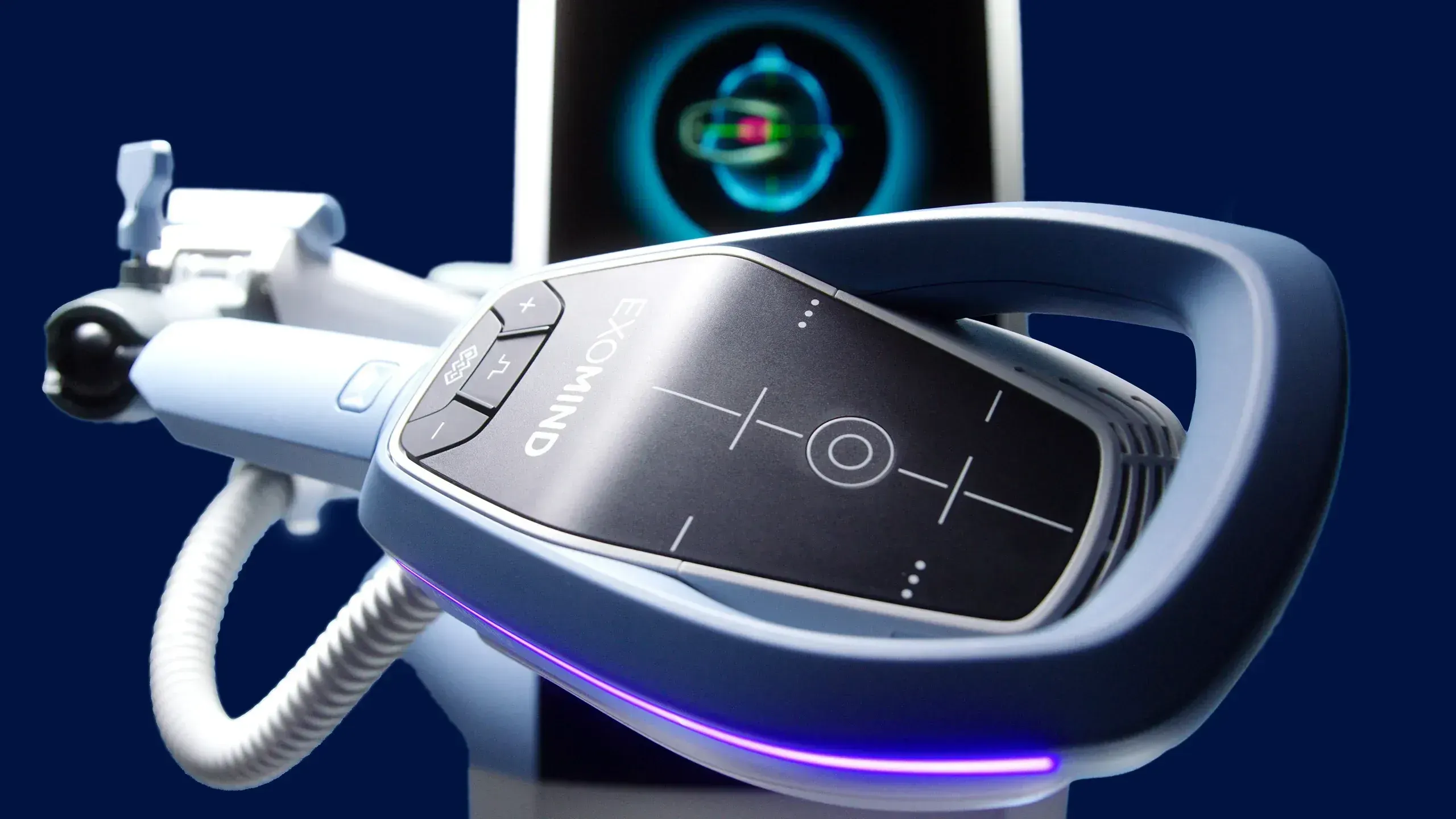
At West Eastern Health, we offer TMS using a device called Exomind. Below, we’ll review questions asking what is TMS, how does it work, and how to tell whether it might fit you.
What TMS Is, in Plain Language
TMS isn’t new or experimental. The FDA cleared the first TMS device for depression in 2008, and TMS has since been cleared for OCD, migraines, depression with anxiety, and quitting smoking, per the National Institute of Mental Health. It’s typically used when medication and talk therapy haven’t brought enough relief, or when medication side effects are hard to live with.
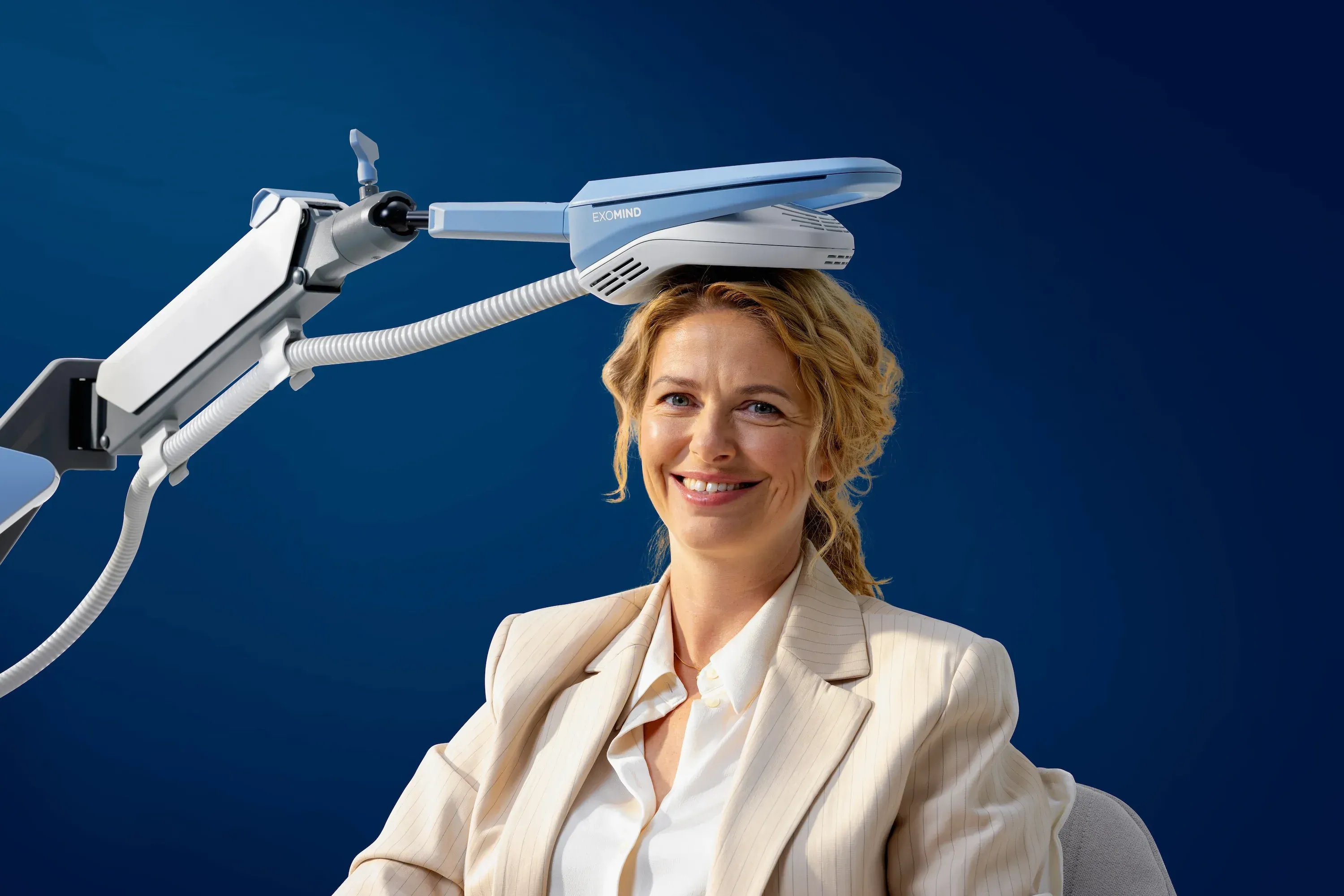
TMS uses a magnetic coil, placed gently against your head, to send quick pulses to the part of the brain associated with mood. The magnetic field is about as strong as an MRI and creates tiny electrical currents that “wake up” nerve cells in that area.
This stimulation is important, because for those with depression, mood-related areas of their brains are less active than usual. Mayo Clinic explains that TMS is thought to re-energize those quieter regions, which may ease symptoms and lift mood over time.
Who May Benefit from TMS Therapy
While TMS is designed to target “depressed” regions in the brain, that doesn’t mean it’s the right choice for everyone with depression. TMS may be worth exploring if you:
- Have been diagnosed with depression and haven’t found relief from at least one antidepressant
- Struggle with medication side effects like weight gain, fatigue, or feeling emotionally flat
- Prefer a non-medication approach, or want something to add alongside your current care
- Can commit to regular appointments over several weeks
Note that TMS is not recommended for individuals with certain metal implants near the head (like aneurysm clips or cochlear implants) or some other medical conditions. A personal or family history of seizures also needs a careful review first. That’s why every TMS plan at West Eastern Health starts with a thorough medical and psychiatric evaluation.
Is TMS Safe? What Are the Side Effects of TMS?
TMS is generally considered safe and well-tolerated. The most common TMS side effects are mild and tend to fade as sessions continue:
- Discomfort on the scalp where the coil sits
- Tingling or twitching in the face or jaw during treatment
- Mild headaches or brief lightheadedness
Seizures are possible but rare, and the risk remains low when expert guidelines are followed. People with bipolar disorder also have a small risk of mania, which is one more reason we screen carefully first. Unlike some other brain-based treatments, TMS doesn’t require anesthesia and isn’t associated with memory loss.
What a TMS Session Feels Like
For many people, the hardest part of trying something new is not knowing what to expect. Below is a walk-through of a typical TMS session.
- Your first visit takes a little longer. We find the right spot on your head and the right strength for your brain. This “mapping” appointment typically takes about an hour.
- Relax in your room. You’ll sit in a reclining chair with earplugs in, with the coil resting against your head.
- Magnetic pulses begin. You’ll hear clicking and feel a rapid tapping on your scalp for a few seconds, then a pause, then more tapping. Many patients listen to music or a podcast.
- Head back to your day. There’s no sedation, so you can drive, work, and go about your normal routine.
TMS usually involves a series of sessions rather than a single visit. A standard course is five days a week for four to six weeks, but your provider will recommend a schedule based on your unique needs. Improvement tends to build gradually, often over a few weeks.
TMS as Part of a Whole-Person Plan
At West Eastern Health, we blend modern medicine with holistic wellness traditions. TMS therapy is one tool, not the whole toolbox, so your plan might also include therapy and wellness counseling, brain mapping (qEEG), or nutrition and lifestyle support.
This approach lines up with what experts recommend, as brain stimulation treatment plans usually work alongside therapy, medication, or both. Note that you should not stop any current medication without talking to your provider first.
Where Exomind Fits In
BTL launched Exomind in January 2025. It is FDA-cleared for depression in adults who have not improved enough with antidepressant medication. Like other modern TMS systems, it’s designed for comfortable, walk-in/walk-out sessions that last under 30 minutes. At West Eastern Health, we use Exomind as a medical treatment for depression, guided by a full evaluation.
What sets our approach apart is what happens around the device. Every plan starts with a full medical and psychiatric evaluation, and TMS fits into your wider care rather than standing on its own.
Take the Next Step Toward Relief
Depression can make it hard to believe things will get better. But, needing another option doesn’t mean you’ve failed. It means your brain may need a different kind of support.
If you’re curious whether TMS therapy could be right for you, we’d love to talk. Call West Eastern Health at (904) 593-8480 or book a consultation online. Virtual consultations are available, and our Ponte Vedra clinic serves patients throughout Jacksonville and Northeast Florida.
If you’re in crisis or having thoughts of suicide, call or text the 988 Suicide & Crisis Lifeline at 988, or call 911.
Resources
- Brain Stimulation Therapies
National Institute of Mental Health - Transcranial Magnetic Stimulation, Mayo Clinic
- BTL Unveils EXOMIND: A New Era in Mental Wellness, BTL press release, January 15, 2025
- Statement of Clarification: Exomind in Vogue and Other Media Sources, Clinical TMS Society
- 988 Suicide & Crisis Lifeline