TMS vs. Ketamine: Which Treatment-Resistant Depression Therapy Is Right for You?
Compare TMS and ketamine for depression: speed, time commitment, side effects, and who each fits best. From West Eastern Health in Ponte Vedra.
If you’ve struggled with depression, ineffective antidepressants, and therapy that hasn’t relieved symptoms, you may have looked into alternative options like TMS and ketamine therapy. With that research comes the common question, which treatment is right for me?
There isn’t a one-size-fits-all answer. Both treatments are designed for people whose depression hasn’t improved enough with standard care, commonly known as Treatment-Resistant Depression (TRD).
At West Eastern Health, we offer both TMS therapy and IV ketamine therapy for depression. Here, we’ll take an honest, side-by-side look to help you start the conversation.
How Each Treatment Works
TMS: Gentle Magnetic Pulses, No Medication
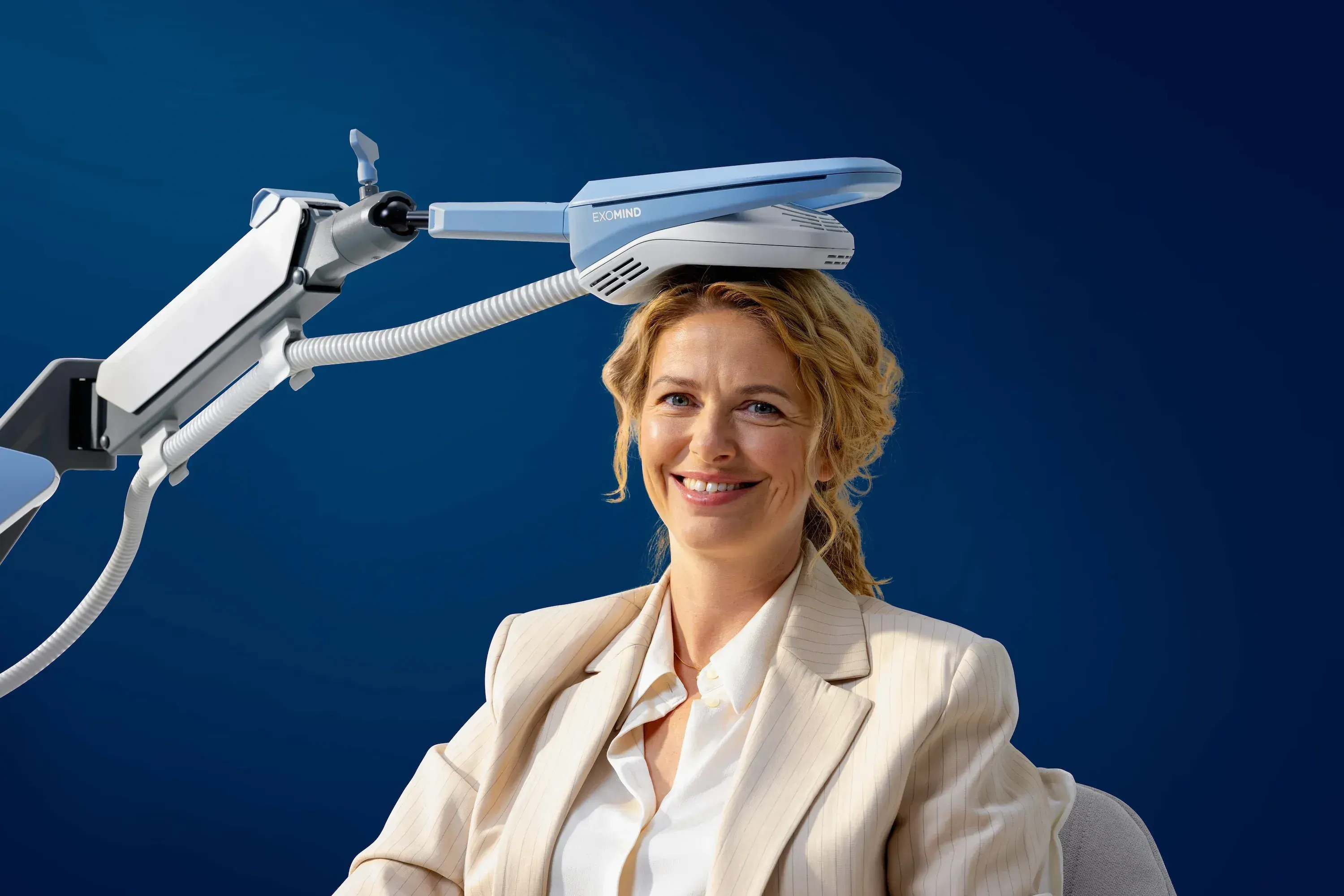
TMS (Transcranial Magnetic Stimulation) uses a magnetic coil placed against your head to stimulate the part of the brain involved in mood. This process is thought to re-activate areas that tend to be less active during depression. You stay fully awake, there’s no medication involved, and you can drive yourself home.
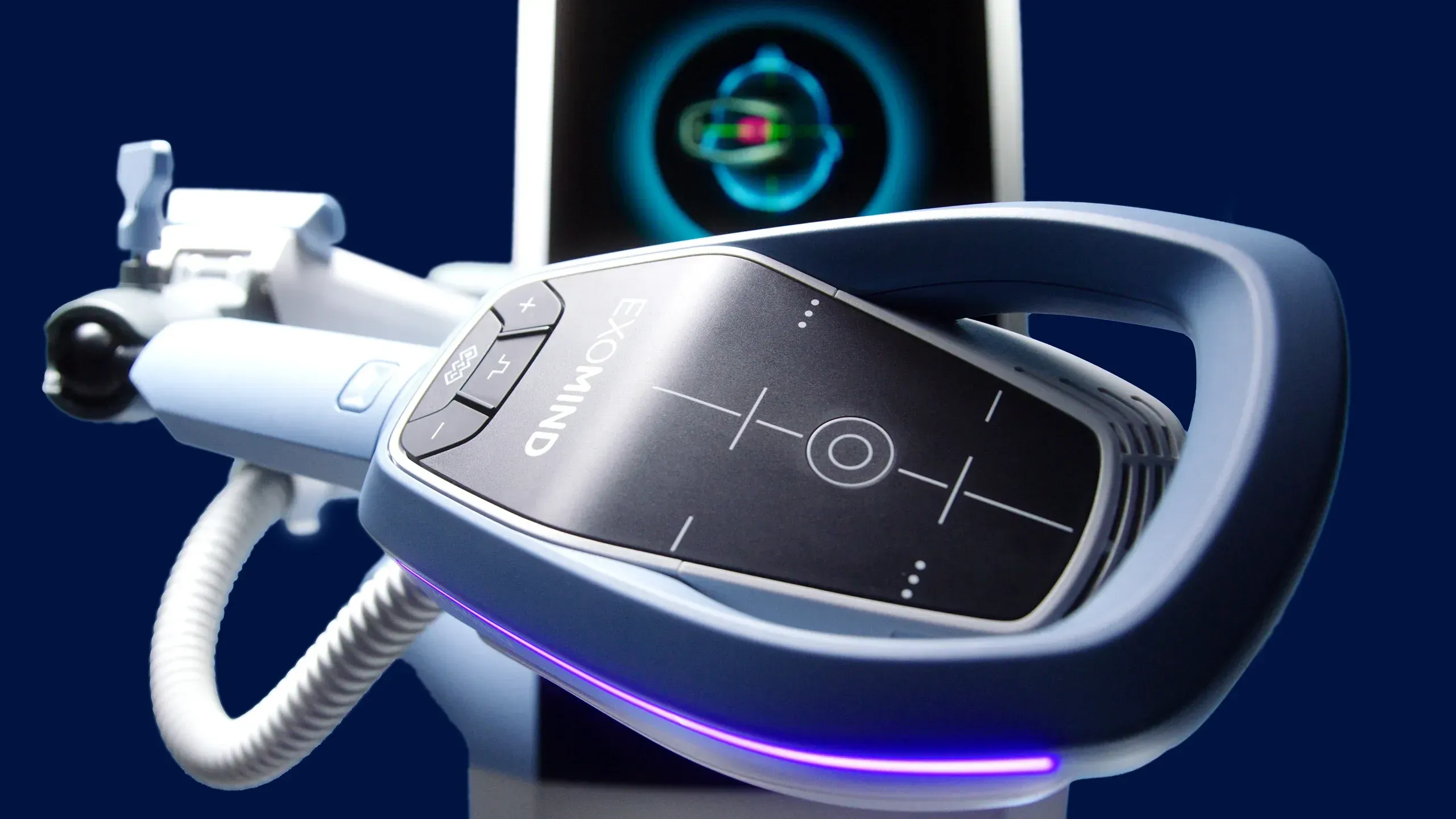
TMS has been FDA-cleared for depression since 2008, per the National Institute of Mental Health. At West Eastern Health, we use the Exomind TMS system.
Ketamine: A Different Kind of Medicine
Ketamine has been used safely as an anesthetic for more than 50 years. At lower doses, it works on a brain chemical called glutamate rather than serotonin, which most antidepressants target. Yale Medicine, where much of the early research took place, explains that ketamine prompts the brain to form new connections between nerve cells, which can in turn make it easier to build healthier patterns of thinking.
Ketamine for depression is used off-label, though a related nasal spray called esketamine (Spravato) was FDA-approved for treatment-resistant depression in 2019. At West Eastern Health, ketamine therapy is given by IV or injection, with a provider by your side to monitor you throughout the session.
TMS vs. Ketamine at a Glance
One of the biggest trade-offs between these depression therapies is usually speed versus intensity. Ketamine often works faster, but involves a stronger in-session experience. TMS, on the other hand, builds more gradually with a lighter, quicker routine.
| TMS | Ketamine Therapy | |
|---|---|---|
| Delivery | Magnetic coil against the head | IV infusion or injection |
| Session Length | Under 30 minutes | About 2 hours |
| Typical Course | 30 to 36 sessions over 4 to 6 weeks | 6-8 sessions over 2-4 weeks, then maintenance as needed |
| Experience | Awake and alert; tapping on the scalp | Dreamlike, detached state; monitored throughout |
| Results | Gradually, often over a few weeks | Often within hours to days |
| Common Side Effects | Scalp discomfort, mild headache, face twitching | Detached feeling, nausea, dizziness, temporary rise in blood pressure |
| After the Session | Drive yourself and return to your day | Rest until effects fade; arrange a ride home |
| FDA Status | Cleared for depression | Off-label |
| Payment Options | Self-pay; HSA/FSA eligible | Self-pay; HSA/FSA eligible |
So, How Do I Choose the Right Treatment Path?
Your exact plan will depend on your evaluation. During this time, your provider will review your options and go over each treatment, collaborating with you to ensure optimal care.
When TMS May Be the Better Fit
- You’d rather avoid medication altogether. TMS doesn’t involve any drugs, so there are no medication side effects or interactions to worry about.
- You want to stay clear-headed. You’re awake and alert the whole time, and you can head straight back to work or family.
- You can commit to a regular schedule. Short, frequent visits over several weeks fit some lifestyles well.
- Ketamine isn’t a safe option for you. For example, people with certain heart conditions, uncontrolled blood pressure, or a history of substance use may be better suited to TMS.
Keep in mind that TMS isn’t recommended for people with some metal implants near the head, and a history of seizures needs careful review first, according to Mayo Clinic.
When Ketamine May Be the Better Fit
- You need relief sooner. In Yale’s research, more than half of participants had a significant drop in depression symptoms within 24 hours.
- You’re also dealing with PTSD, anxiety, or chronic pain. Ketamine is used in these areas too, often as part of a broader plan.
- You prefer fewer, longer visits. An initial series is usually 6-8 sessions rather than daily appointments.
- You’re open to a deeper experience. Many patients find the session meaningful, especially when paired with integration therapy to process what comes up.
Ketamine isn’t right for everyone either. It may not be appropriate during pregnancy or for people with certain heart conditions, active psychosis, or uncontrolled substance use.
If you’re having thoughts of suicide, please don’t wait to choose a treatment. Call or text the 988 Suicide & Crisis Lifeline at 988, or call 911.
Do I Have to Choose Just One?
Not necessarily. Some patients start with one treatment and move to the other if needed. Others use them at different stages of care. Your provider will help you decide what makes sense and when.
What matters most is that either option is part of a bigger plan. For example, ketamine works best within a comprehensive treatment plan, not as a standalone fix. The same is true for TMS, which may be paired with therapy, medication, or both.
That’s the heart of our approach at West Eastern Health. We blend modern Western medicine with holistic Eastern wellness, so your plan might also include counseling, brain mapping, and lifestyle support.
Let’s Figure It Out Together
You don’t have to make this decision on your own. During a consultation, we’ll review your history, what you’ve already tried, and your goals, then recommend the path that fits you best.
Call West Eastern Health at (904) 593-8480 or book a consultation online. Virtual consultations are available, and our Ponte Vedra clinic welcomes patients from Jacksonville and across Northeast Florida.
Resources
- How Ketamine Drug Helps with Depression
Yale Medicine - Transcranial Magnetic Stimulation
Mayo Clinic - Brain Stimulation Therapies
National Institute of Mental Health - 988 Suicide & Crisis Lifeline