
Seasonal Depression in Florida? Yes, It’s Real.
Seasonal depression can happen in sunny Florida. Learn the signs of SAD, how it differs from winter blues, and what helps.
Living in Florida, it’s easy to assume seasonal depression is a problem for folks in another state far away. After all, we’re still wearing flip-flops in December while friends up north are bundling up in thick coats and scraping ice off their windshields.
But if you notice that your energy, mood, or motivation dip every year as the days get shorter, you’re not imagining it. Winter still brings less daylight here, especially around the winter solstice on December 21, the shortest day of the year. For some people, that’s enough to shift how they feel.
At West Eastern Health in Ponte Vedra, Florida, we know many people are surprised to feel this way while living in sunny paradise. We’re here to help you understand what’s going on with your mental health and what you can do about seasonal depression in Florida.
First, What Is Seasonal Affective Disorder?
Seasonal Affective Disorder, or SAD, is a type of depression that follows the seasons. According to the National Institute of Mental Health (NIMH), symptoms most often start in late fall or early winter, ease in spring and summer, and can last about four to five months each year. Millions of Americans experience it, even if they don’t realize what it is.
So Can It Really Happen in Florida?
Yes, though it’s less common here. SAD is more likely in places with shorter winter days, like Alaska or New England, than in sunnier, warmer climates like Florida or Texas. Still, “less common” doesn’t mean “never.”
A few reasons Floridians may still feel the winter blues:
- Days are still shorter. Even here, winter brings later sunrises and earlier sunsets. Researchers believe less daylight can lower serotonin, a brain chemical that helps regulate mood, and raise melatonin, which makes you sleepy.
- Less time outside. Between work, school, early darkness, and the eventual colder temperatures, many of us spend more of our winter days indoors.
- Lower vitamin D. Our bodies make vitamin D from sunlight. Lower levels in winter may further reduce serotonin activity in people with SAD.
- Other risk factors. SAD is more common in women, young adults, and people with depression, bipolar disorder, ADHD, or anxiety. It can also run in families.
Added to these reasons, winter in Florida comes bundled with holiday pressure, travel, and disrupted routines. All of that can compound a seasonal mood shift.
Is It Winter Blues, Holiday Stress, or SAD?
It helps to know the difference.
Winter blues are mild, short-lived dips in mood. You might feel a little sluggish or less social, but you’re still functioning as usual and enjoying most things.
Holiday stress is most often tied to the calendar: family gatherings, work parties, and the money, travel, and expectations that come with them. This kind of stress is different from SAD, which is tied to changes in daylight rather than specific events.
SAD is true depression that returns around the same time each year, with symptoms that last at least two weeks. Symptoms of SAD may include:
- Feeling down, anxious, or “empty” most of the day, nearly every day
- Losing interest in things you usually enjoy
- Low energy or feeling slowed down
- Difficulty concentrating
- Feelings of hopelessness, guilt, or worthlessness
Winter-pattern SAD often adds:
- Oversleeping and still feeling tired
- Craving carbohydrates, weight gain
- Wanting to “hibernate” and pull away from people
A SAD diagnosis typically requires this seasonal pattern to have shown up for at least two years in a row. You don’t need a diagnosis to ask for help, though. If your mood is getting in the way of work, relationships, or daily life, that’s reason enough.
SAD Treatment Options
Tips for Today
- Get morning light. A sunrise walk on the beach or coffee on the porch can do more than you’d think. Stepping outside early helps reset your body clock.
- Set a steady sleep schedule. Try to wake up at the same time every day, even if you’re tempted to sleep in.
- Move your body. Regular exercise, even a short walk, supports mood and energy.
- Stay connected. Plan things you enjoy, especially when you feel like hibernating. Scheduling fun activities, and sticking with them, is a core part of therapy for SAD.
Proven Treatments for Tomorrow
- Light therapy. Sit in front of a bright light box (10,000 lux) for about 30 to 45 minutes each morning, from fall to spring. Check with a provider first if you have eye conditions or take medications that increase light sensitivity.
- Talk therapy. A form of Cognitive Behavioral Therapy adapted for SAD (called CBT-SAD) worked as well as light therapy in studies, and its benefits seemed to last longer.
- Antidepressants. Medication can help, though it usually takes longer to work, usually four to eight weeks.
- Vitamin D. Supplements may help some people, but research results are mixed. Ask your provider before starting one.
When Standard Treatment Isn’t Enough
For some people, seasonal depression is part of a larger pattern of depression that hasn’t responded well to medication, at-home care, or talk therapy. In that case, it may be time to look at other options:
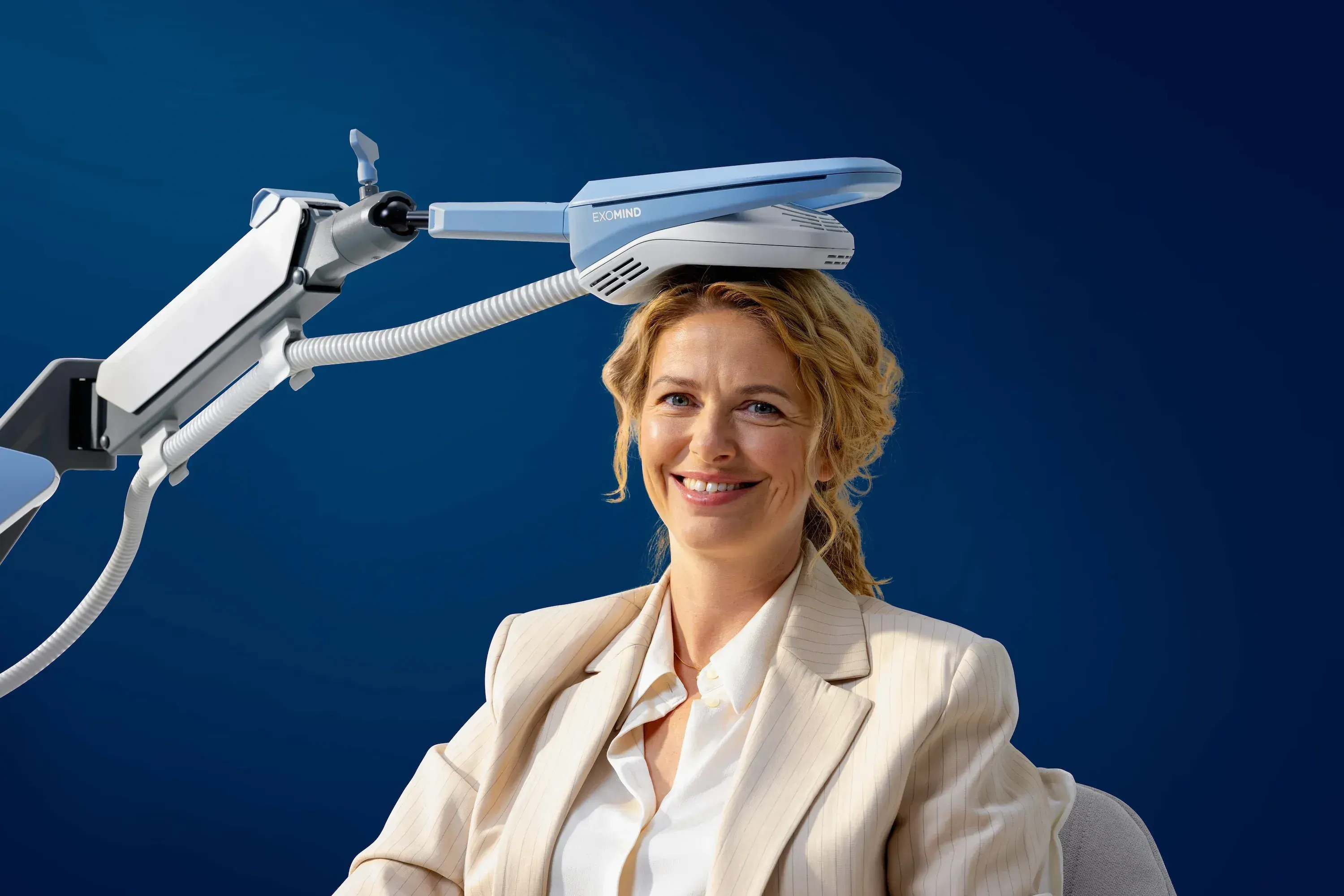
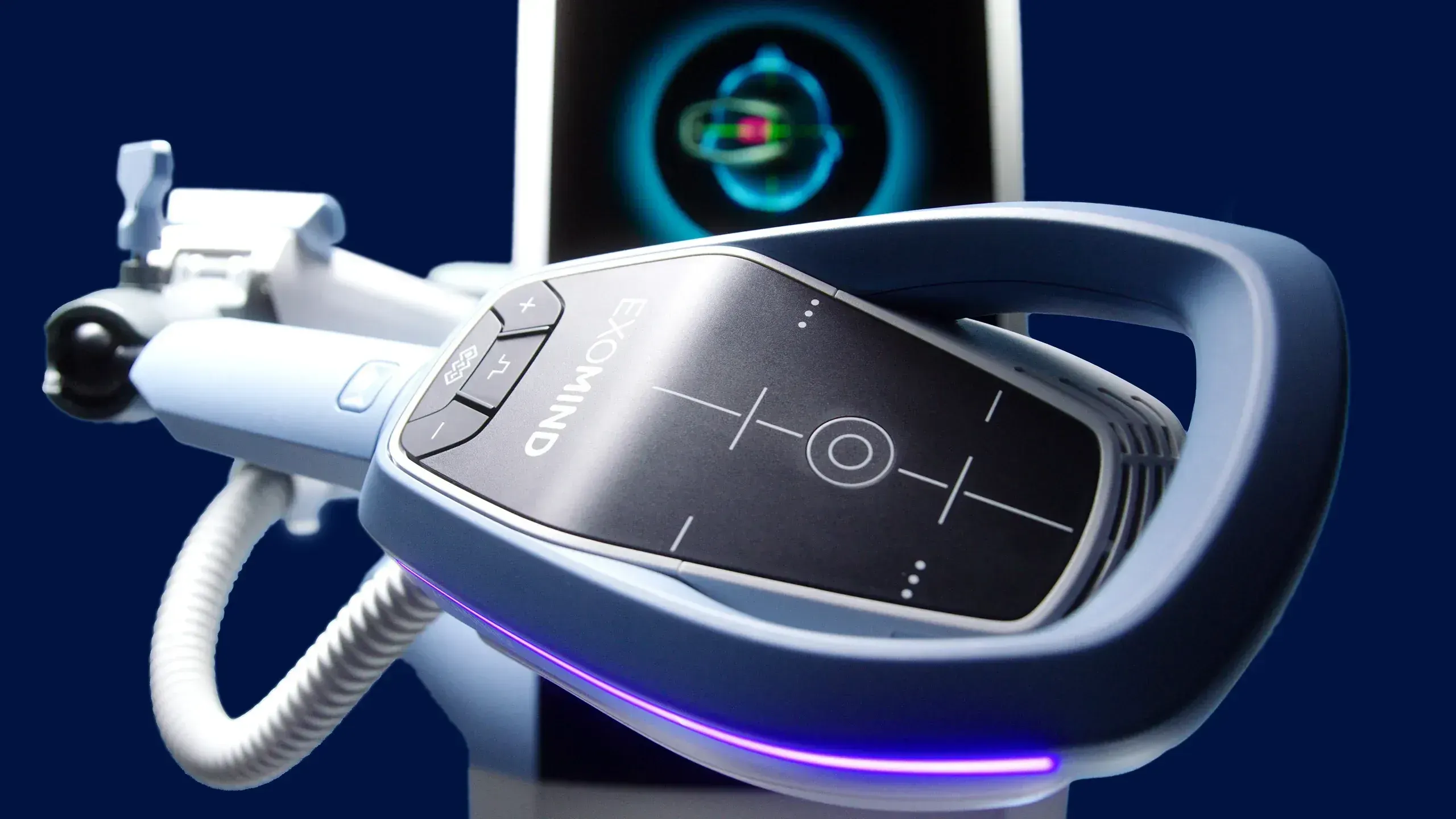
- TMS uses gentle magnetic pulses to stimulate mood-related areas of the brain. TMS is FDA-cleared for depression and involves no medication or downtime.
- Ketamine therapy works differently from traditional antidepressants and may bring relief faster. In Yale’s research, more than half of participants with hard-to-treat depression improved significantly within 24 hours.
These treatments aren’t specific to SAD, but they can be valuable when depression keeps coming back or hasn’t improved with other approaches.
Start the New Year Feeling More Like Yourself
Because SAD tends to follow a predictable pattern, it can respond well to a plan made ahead of time. Those with a history of seasonal depression may benefit from starting treatment before symptoms set in. If this winter is already hard, it’s not too late. And if you know next fall may be just as rough, planning now can help.
At West Eastern Health, we look at the whole picture: your sleep patterns, routines, medical history, and even your brain. From wellness counseling and comprehensive psychiatric care to TMS and ketamine therapy, we’ll help you find the right fit. Call us today at (904) 593-8480 or book a consultation online.
If you’re in crisis or having thoughts of suicide, call or text the 988 Suicide & Crisis Lifeline at 988, or call 911.
Resources
- Seasonal Affective Disorder, National Institute of Mental Health
- Brain Stimulation Therapies, National Institute of Mental Health
- How Ketamine Drug Helps with Depression, Yale Medicine
- 988 Suicide & Crisis Lifeline