
Invisible Wounds: New Treatment Options for Veterans with PTSD
This Veterans Day, learn how ketamine therapy, TMS, and brain mapping are opening new doors for veterans with PTSD in Ponte Vedra.
Some wounds from military service are easy to see. Others are carried quietly, in ways others cannot see but are felt just as deeply by the person struggling. On Veterans Day, we honor the men and women who served, and remain dedicated to being a source of support for those dealing with PTSD. One meaningful way to do this is to talk openly about the invisible wounds many bring home, and about the help that’s available.
Northeast Florida is home to a large military community, from NAS Jacksonville and Naval Station Mayport to the many veterans who’ve settled here after service. The Ponte Vedra team at West Eastern Health is proud to support them. If you know veterans with PTSD, or are a military member yourself who feels like nothing has worked, this post is for you.
Understanding PTSD in Veterans
PTSD (Post-Traumatic Stress Disorder) can develop in anyone who experiences or witnesses a life-threatening event, such as a traumatic loss, domestic violence, or assault. Those in military service typically experience more of those moments than civilians. According to the VA’s National Center for PTSD, about 7% of all veterans will have PTSD at some point. For those who served in Iraq and Afghanistan, that number rises to 29%. Women veterans are affected at about twice the rate of men (13% vs. 6%), and the VA notes that military sexual trauma may be one reason.
The VA’s PTSD Basics groups symptoms into four types:
- Reliving the Event: nightmares, flashbacks, or feeling triggered by specific sounds or events, such as fireworks
- Avoidance: staying away from crowds, places, or activities that bring back memories
- Negative Thoughts & Feelings: numbness, guilt, shame, or losing interest in things you used to love
- Feeling on Edge: trouble sleeping, irritability, being easily startled, or always watching for danger
PTSD often comes with other challenges, too. Depression, chronic pain, trouble sleeping, and Traumatic Brain Injury (TBI) are common companions, especially for combat veterans.
When Standard PTSD Treatment Isn’t Enough
The good news: PTSD is treatable. The VA recommends trauma-focused talk therapies, such as Cognitive Processing Therapy, Prolonged Exposure, and EMDR, as the most effective first options, along with certain medications. For many people, these treatments can help reduce symptoms or relieve them altogether.
But they don’t work for everyone. Some veterans find it difficult to start therapy that asks them to revisit painful memories. Others try medication after medication with little change, or stop because of unpleasant side effects. Dr. Adriana Feder, a leading PTSD researcher at Mount Sinai, has noted that a large number of people aren’t helped enough by the treatments currently available.
If that sounds familiar, know that it’s not a personal failure. It may simply mean your brain needs a different kind of support to begin healing.
Newer Treatments for PTSD
There are more options for treating PTSD in veterans, but it’s important to know that they aren’t meant to replace proven therapy. Instead, they may help open the door so therapy and daily life feel more manageable.
Ketamine Therapy
Ketamine therapy has drawn real interest for PTSD. In a 2021 randomized trial published in the American Journal of Psychiatry, people with long-term PTSD from military or civilian trauma received six ketamine infusions over two weeks. Their symptoms dropped quickly, improvement lasted for several weeks, and the infusions were generally well-tolerated.
The effect showed up across several PTSD symptoms, including intrusive memories, avoidance, and negative mood. Note that ketamine is not FDA-approved specifically for PTSD, so it’s used off-label, and research is still growing.
TMS (Transcranial Magnetic Stimulation)
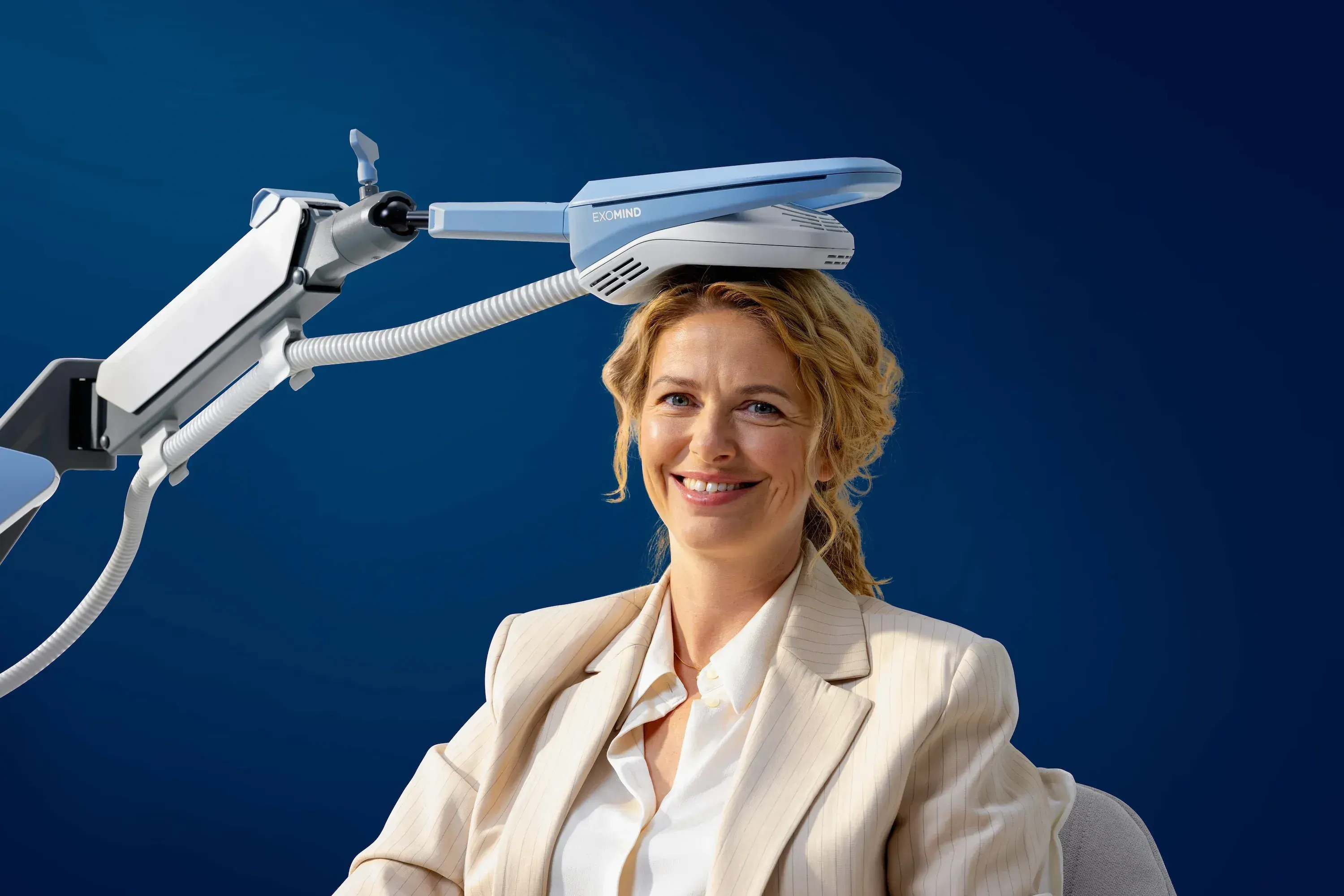
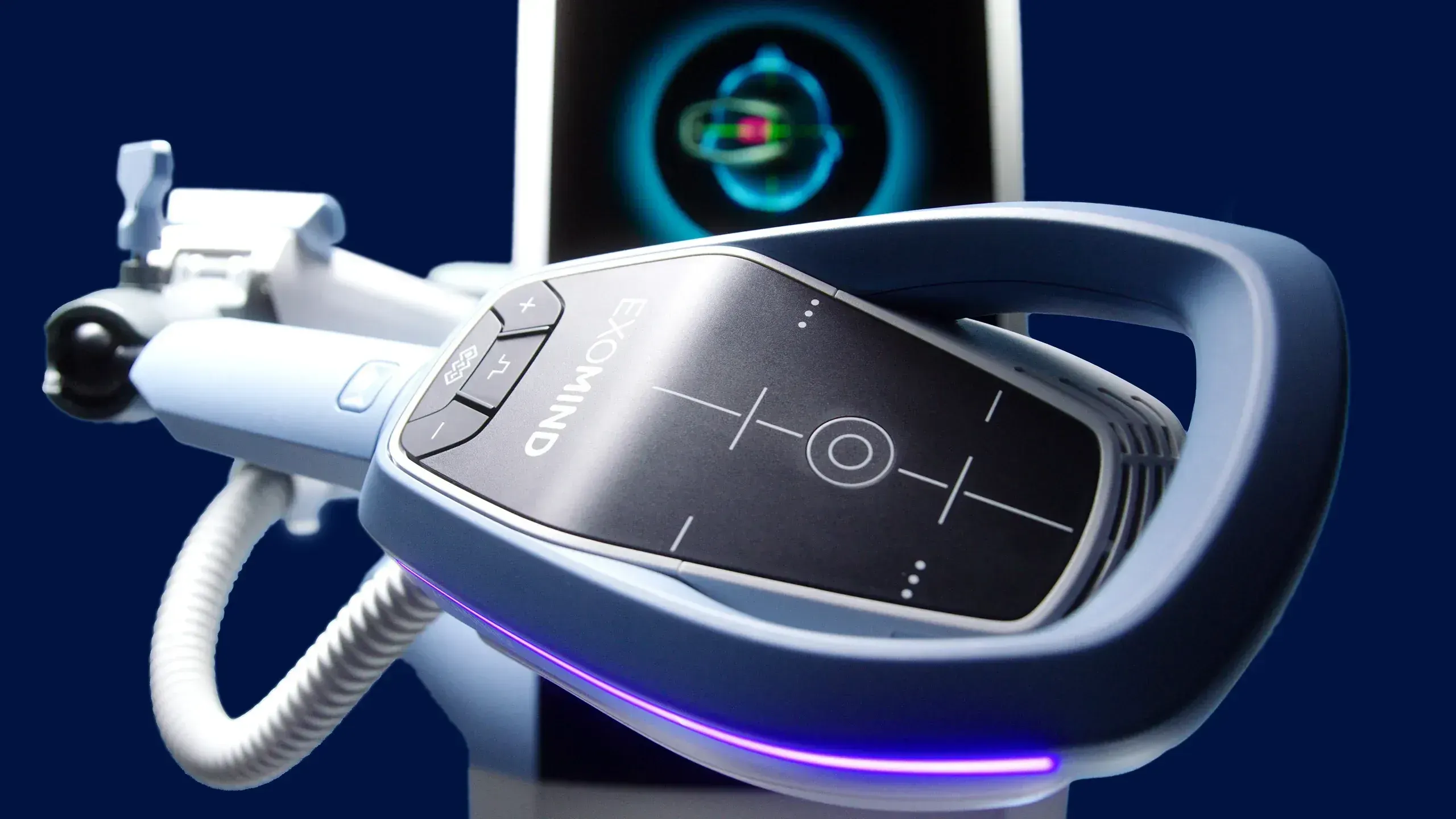
TMS uses gentle magnetic pulses to stimulate areas of the brain associated with mood, without the need for medication or sedation. It’s FDA-cleared for depression, OCD, and related conditions, which makes it especially relevant for the many veterans whose PTSD comes with depression. TMS for PTSD specifically is still being studied.
Brain Mapping and Neurofeedback
A qEEG brain map is a non-invasive scan of your brain’s electrical activity. It may show patterns linked to hypervigilance, poor sleep, or trouble focusing, and gives you something concrete to look at. From there, neurofeedback therapy may help train the brain toward calmer patterns over time. Research on both for PTSD is still early.
Care Built on Trust
Our team’s interest in this work is both personal and medical. We approach every veteran who walks through our doors with respect, and with a plan matched to your history and your goals using brain-map-guided, personalized TMS for PTSD and TBI in military service members.
We also know that trust is earned. Our clinic was designed to feel calm and private, not clinical. You set the pace, and you’re always part of the decision-making process.
For Families and Loved Ones
PTSD affects the whole household. If you’re a spouse, parent, or friend, you may be the first to notice changes like withdrawal, anger, or heavy drinking. Gently sharing what you’ve seen, without pressure, can be a powerful first step. The VA’s National Center for PTSD also offers free educational resources and a short self-screen.
Taking the First Step
Reaching out can feel like the hardest part. At West Eastern Health, we aim to make this process easier for you, starting with a conversation to talk through what you’ve been dealing with. We’ll review your history, past treatments, and goals, then decide together which PTSD treatment makes the most sense.
This Veterans Day, we’re grateful for your service, and we’re here when you’re ready. Call West Eastern Health at (904) 593-8480 or schedule a consultation online today.
If you’re a veteran in crisis, call 988 and press 1 to reach the Veterans Crisis Line, text 838255, or call 911.
Resources
- How Common Is PTSD in Veterans?, U.S. Department of Veterans Affairs, National Center for PTSD
- PTSD Basics, U.S. Department of Veterans Affairs, National Center for PTSD
- Repeated Ketamine Infusions Reduce Symptom Severity in Individuals With Chronic PTSD, Mount Sinai, January 2021
- Brain Stimulation Therapies, National Institute of Mental Health
- Veterans Crisis Line