The Science Behind Neurofeedback for Anxiety
Neurofeedback therapy offers a promising, non-invasive solution for anxiety management. Learn how real-time brain activity monitoring helps individuals regulate their brain function for reduced anxiety and improved mental clarity.
In today's fast-paced world, anxiety is a common challenge. Many seek effective ways to manage it. Neurofeedback therapy offers a promising solution.
This innovative approach uses real-time brain activity monitoring. It helps individuals learn to regulate their brain function. The result is reduced anxiety and improved mental clarity.
Neurofeedback is non-invasive and safe. It empowers individuals to take control of their mental health. This therapy is grounded in modern neuroscience.
Brain mapping for anxiety is a key component. It creates a visual representation of brain activity. This helps identify areas needing regulation.
West Eastern Health Clinic in Florida is at the forefront of this therapy. They offer personalized neurofeedback treatments. These are tailored to individual needs.
Neurofeedback benefits extend beyond anxiety relief. It enhances cognitive function and emotional resilience. This makes it ideal for corporate executives and university students.
Executives often face high stress and burnout. Neurofeedback can improve their work-life balance. It boosts productivity and mental clarity.
University students struggle with academic pressures. Neurofeedback helps them manage anxiety and improve focus. This leads to better academic performance.
The science behind neurofeedback is compelling. It offers a holistic approach to mental wellness. This therapy is a beacon of hope for many.
Understanding Anxiety: The Neuroscience Perspective
Anxiety affects millions globally and can disrupt lives. It often stems from complex interactions in the brain. Modern neuroscience reveals these intricate mechanisms.
The brain's fear center, the amygdala, plays a key role. It processes emotions and triggers anxiety responses. Overactive amygdalas can lead to heightened anxiety.
The prefrontal cortex is involved in regulating emotions. In anxiety, its regulatory function is impaired. This imbalance increases stress responses.
Neurotransmitters also contribute to anxiety. Serotonin and dopamine are crucial for mood regulation. Imbalances in these chemicals can exacerbate anxiety symptoms.
Research shows that anxiety affects brainwave patterns. Individuals with anxiety often exhibit excessive beta waves. These brainwaves are associated with heightened alertness and restlessness.
Understanding these elements helps tailor effective treatments. Neurofeedback addresses these underlying neurophysiological issues. It promotes healthier brainwave patterns and reduces anxiety.
In summary, anxiety involves:
- Overactive amygdala
- Impaired prefrontal cortex function
- Neurotransmitter imbalances
- Altered brainwave patterns
Addressing these factors through therapies like neurofeedback offers hope. It paves the way for new mental health strategies that are both effective and holistic.
What Is Neurofeedback? Foundations and Mechanisms
Neurofeedback is a groundbreaking approach in mental health treatment. It leverages the brain's ability to adapt and change. This technique is noninvasive and drug-free.
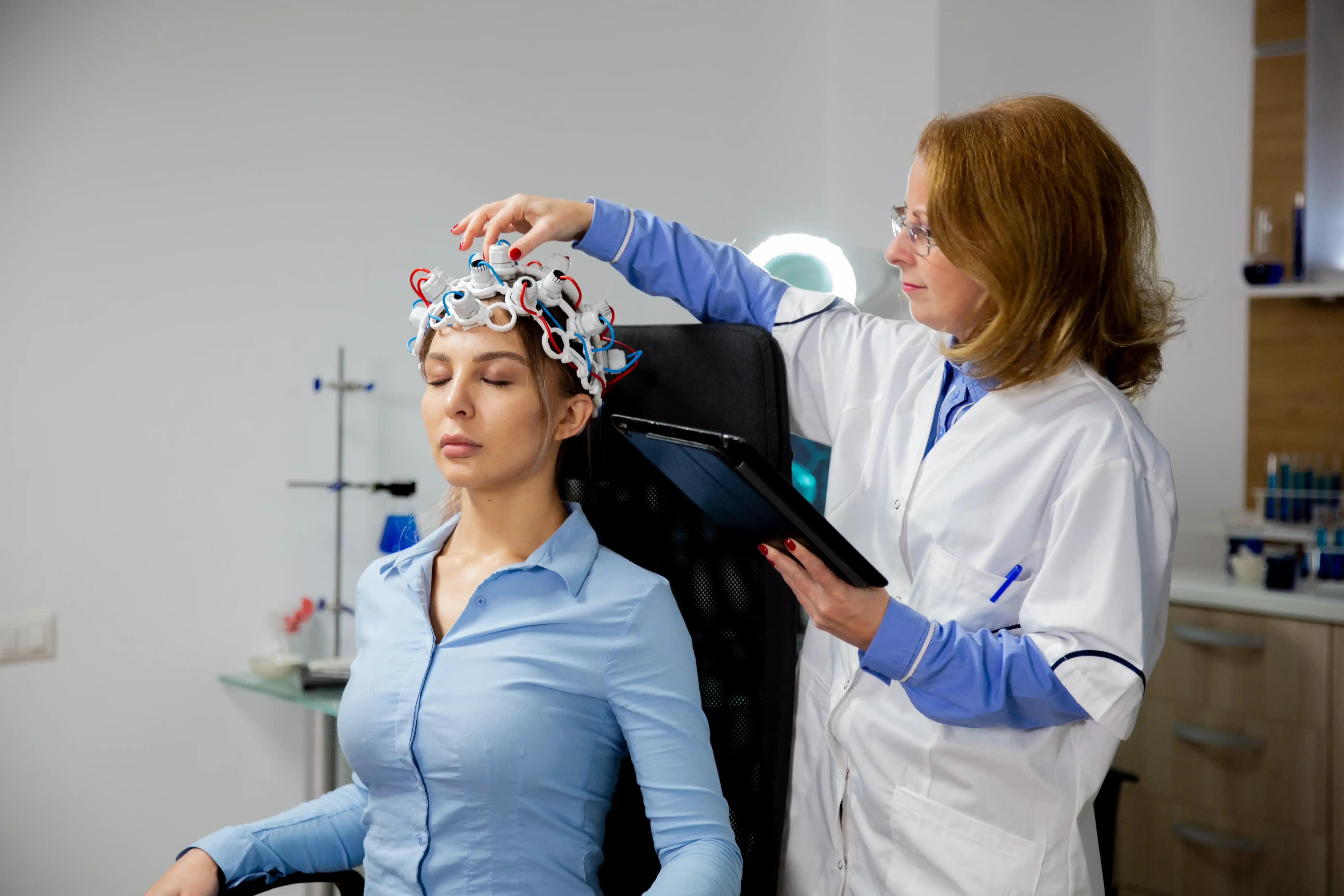
At its core, neurofeedback involves brainwave monitoring. Sensors are placed on the scalp to capture electrical activity. This data provides insights into the brain's functioning.
The process offers real-time feedback. Individuals can view their brainwaves on a screen during sessions. This helps them learn to regulate their brain activity consciously.
Over time, neurofeedback encourages the brain to adopt healthier patterns. It aims to reduce beta waves associated with anxiety. As a result, individuals often experience calmer mental states.
The science behind this is rooted in operant conditioning. The brain receives positive reinforcement when desired patterns are achieved. This encourages the brain to replicate these states autonomously.
Neurofeedback is personalized for each individual. Treatment plans are tailored based on specific brain mapping results. This customization ensures more effective outcomes.
Key aspects of neurofeedback include:
- Real-time brainwave monitoring
- Non-invasive sensor placement
- Visual feedback loops for learning
- Reinforcement of positive brain states
- Personalized treatment plans
This innovative therapy promotes self-regulation and emotional balance. It offers promising potential for those struggling with anxiety and similar challenges.
Brain Mapping for Anxiety: The Role of QEEG
Quantitative Electroencephalography (QEEG) is pivotal in understanding anxiety. It's a specialized brain mapping tool that highlights brainwave patterns. This process identifies areas of dysregulation linked to anxiety.
QEEG creates a visual representation of brain activity. It captures and analyzes electrical patterns, offering a comprehensive view of brain function. This clarity is essential for developing targeted interventions.
This technology helps detect irregularities in specific brain regions. By identifying areas of overactivity or underactivity, clinicians can tailor interventions to the individual's unique brain profile. This personalized approach enhances treatment effectiveness.
The data from QEEG are interpreted using normative databases. These databases compare an individual's brainwaves against established norms. This comparison pinpoints deviations associated with anxiety disorders.
Understanding brain mapping through QEEG involves several key steps:
- Sensor Placement: Sensors are strategically positioned on the scalp.
- Data Collection: Brainwave activity is recorded during various states.
- Analysis: Collected data is processed to identify atypical patterns.
- Comparison: Data is compared to age-matched normative databases.
- Interpretation: Clinicians use this analysis to inform treatment planning.
QEEG is crucial for guiding neurofeedback therapy. It ensures that interventions directly address the root of anxiety symptoms. This precision fosters more efficient and effective outcomes.
Through QEEG, individuals receive helpful knowledge about their mental processes. This awareness can empower them to engage more fully in their treatment journey. It shows the potential for change and growth in mental health.
How Neurofeedback Works: The Science in Action
Neurofeedback, a dynamic therapy, uses real-time feedback to improve brain function. Sensors attached to the scalp detect brainwave activity, which is then visually represented on a screen. This visual aid allows individuals to see their brain in action.
When brainwave patterns deviate from norms, neurofeedback helps guide them back. This process fosters self-regulation, enabling the brain to learn healthier patterns. Through repeated sessions, these improvements become sustainable.
The therapy relies on operant conditioning principles. Positive reinforcement encourages desired brainwave activities. When the brain produces the targeted patterns, it receives instant positive feedback, like video changes or auditory signals.
Each neurofeedback session is unique. Sessions are designed to address specific patterns identified by brain mapping. This tailored approach ensures that therapy aligns with individual needs, optimizing effectiveness.
Here's a typical flow of a neurofeedback session:
- Sensor Placement: Sensors are gently applied to the scalp.
- Initial Assessment: Brain activity is observed and recorded.
- Session Activities: Tasks are performed to train brainwave responses.
- Feedback Loop: Real-time data provides immediate feedback.
- Session Review: Progress is evaluated, adjusting future sessions.
The science behind neurofeedback is grounded in neuroplasticity. The brain's ability to adapt and reorganize ensures lasting change. Over time, these adjustments lead to improved emotional regulation and reduced anxiety.
Despite its complexity, neurofeedback is a non-invasive and user-friendly therapy. Participants often find the sessions relaxing and engaging. This positive experience reinforces the brain's learning and transformation.
Neurofeedback for Anxiety: Evidence and Effectiveness
Neurofeedback's efficacy in managing anxiety has grown with expanding scientific support. Researchers have noted significant reductions in anxiety symptoms for participants undergoing this therapy.
Studies demonstrate that neurofeedback alters brainwave activity, leading to improved emotional regulation. This change reduces the intensity and frequency of anxiety episodes. By reshaping how the brain processes stressors, neurofeedback offers sustainable anxiety relief.
Clinical trials highlight neurofeedback's success in enhancing mental clarity. Participants report feeling more focused and less overwhelmed. This improvement often translates into better overall performance in daily tasks.
The therapy operates by normalizing brainwave patterns. These patterns are frequently altered in individuals with anxiety. Correcting these irregularities can improve mood and cognitive function.
Here's a summary of neurofeedback's impact on anxiety:
- Reduction in Symptoms: Decreased anxiety levels over therapy course.
- Improved Emotional Stability: Better management of emotional responses.
- Enhanced Cognitive Function: Boosted concentration and decision-making.
- Long-term Benefits: Lasting changes in brain function for ongoing anxiety relief.
Research continuously uncovers neurofeedback's potential, reinforcing its role in anxiety treatment. The therapy is supported by numerous studies validating its effectiveness in various settings.
Despite being a relatively new approach, neurofeedback has been welcomed by many health professionals. It's seen as a complementary tool alongside traditional therapies like medication and counseling.
West Eastern Health Clinic in Florida is at the forefront of integrating neurofeedback into personalized treatment plans. Their approach emphasizes the therapy's adaptability, offering clients tailored experiences for maximum efficacy.
Patients often express gratitude for the positive changes experienced through neurofeedback. While individual results can vary, the majority notice significant progress within weeks.
Neurofeedback has become a viable alternative for those seeking natural, non-invasive anxiety solutions. Its effectiveness, backed by robust evidence, continues to drive interest and investment in this promising field.
Neurofeedback Benefits: Beyond Anxiety Relief
Neurofeedback offers a wide array of benefits, extending well beyond anxiety management. Its holistic approach targets multiple aspects of mental health.
Participants in neurofeedback sessions often report enhanced focus and sharper mental clarity. This cognitive boost facilitates improved problem-solving and decision-making in high-pressure scenarios.
Emotional resilience is another significant advantage. By stabilizing brainwave patterns, individuals learn to manage stress more effectively. This leads to a greater sense of emotional balance in daily life.
Additionally, neurofeedback contributes to better sleep. Improved sleep quality can further enhance overall well-being, supporting mental and physical health.
The therapy also promotes self-awareness. Understanding one's brain activity fosters insight into personal emotional and behavioral patterns. This insight can lead to positive behavior changes.
Here's a concise list of neurofeedback's broader benefits:
- Enhanced Focus: Greater mental precision in tasks.
- Improved Resilience: Strengthened ability to cope with stress.
- Better Sleep Quality: More restorative sleep cycles.
- Increased Self-Awareness: Deeper understanding of mental states.
Beyond addressing anxiety, neurofeedback can improve mood stability, resulting in fewer mood swings. This enhancement supports a more harmonious interpersonal environment.
Neurofeedback's versatility makes it applicable to diverse populations, from students to busy professionals. Each session is a step towards achieving comprehensive mental wellness.
West Eastern Health Clinic in Florida is recognized for their integrative neurofeedback treatments. Their programs are designed to harness these benefits, providing individualized support for each client.
Whether seeking relief from anxiety or aiming to enhance overall mental capacity, neurofeedback offers a promising path forward. The therapy's expansive benefits underscore its significance in modern mental health care.
The Neurofeedback Experience: What to Expect in a Session
Entering a neurofeedback session might seem daunting, but it's a gentle, non-invasive process. Understanding what to expect can ease any apprehension.
Sessions typically begin with a brief discussion. This allows the practitioner to gauge your current mental state and goals for therapy. It's a collaborative effort, ensuring personalized care.
Next, small sensors are attached to the scalp. These sensors measure brainwave activity, providing real-time data on your brain's functioning.
You'll then engage in computer-based exercises or watch visual stimuli. The goal is to encourage your brain to achieve healthier patterns through subtle feedback cues.
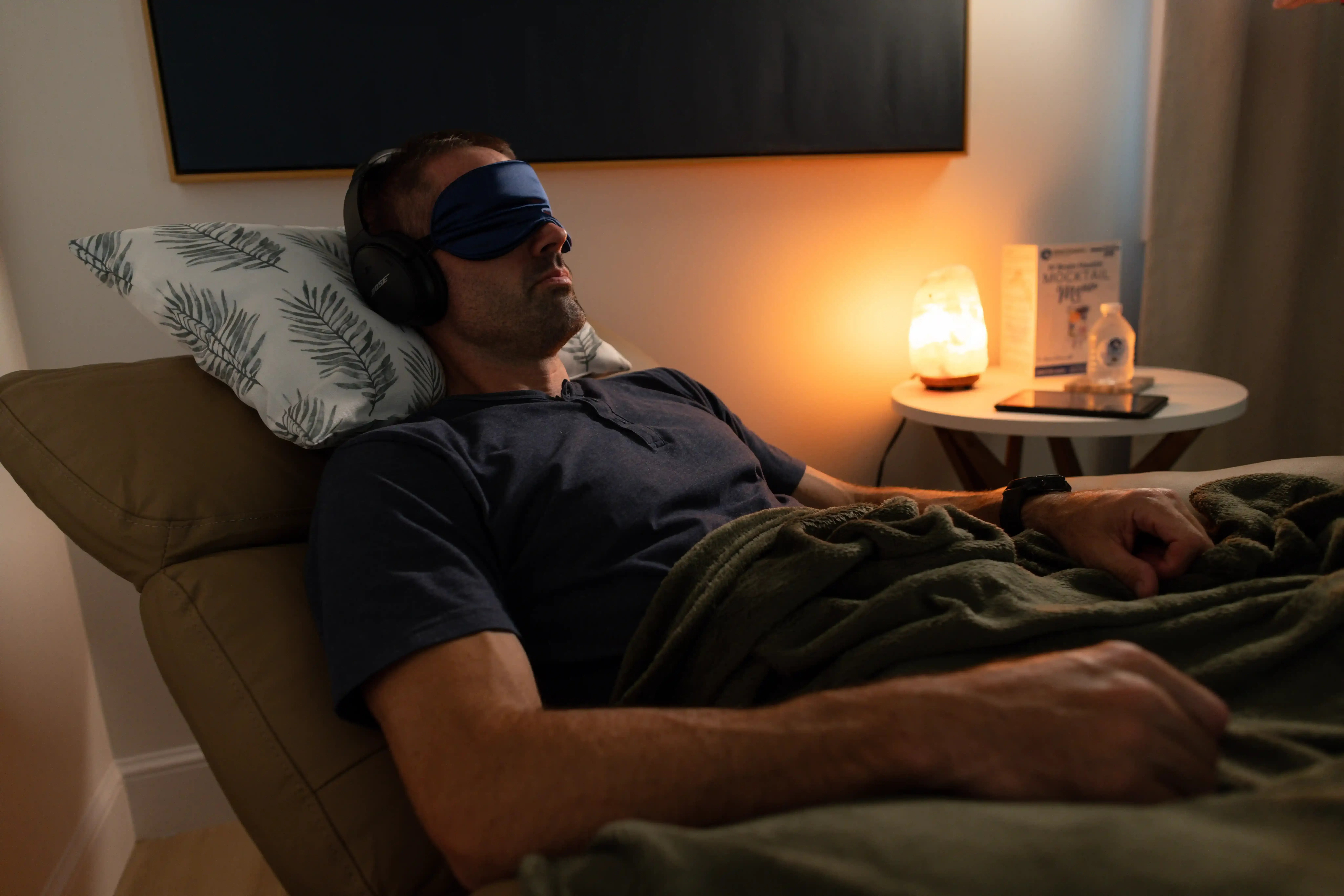
Sessions are usually comfortable and relaxing. The environment is calm, with the aim of making the experience stress-free and focused on healing.
As the session progresses, you receive continuous feedback. This feedback helps your brain learn to self-regulate effectively.
Here's what a typical neurofeedback session includes:
- Initial Discussion: Set goals and understand the process.
- Sensor Placement: Monitor brainwave patterns.
- Interactive Exercises: Encourage brain optimization.
- Continuous Feedback: Guide brain self-regulation.
Each session is a step in an ongoing journey. Progress is monitored, and sessions are adjusted to meet evolving needs. The therapeutic relationship evolves over time, strengthening the effectiveness of treatment.
West Eastern Health Clinic in Florida takes pride in creating a supportive session environment. Their skilled practitioners guide each individual's neurofeedback experience for optimal results.
Experiencing neurofeedback is often described as transformative. Clients leave sessions feeling more attuned to their mental processes and empowered in their journey towards well-being.
Personalized Neurofeedback: Tailoring Treatment to the Individual
Personalized neurofeedback is about crafting a therapy plan that fits your unique brain activity. It starts with a comprehensive assessment to map your brain's distinctive patterns.
The process begins with qEEG brain mapping. This technology captures detailed images of your brain activity, highlighting areas needing attention.
Tailoring treatment means focusing on the specific regions of your brain linked to anxiety. This ensures the therapy is targeted and effective for your needs.
Once brain mapping is complete, a customized protocol is developed. This protocol guides the neurofeedback sessions, ensuring they address your particular symptoms.
Treatment is adaptive. Regular adjustments based on progress ensure continued alignment with changing brain patterns. It's a dynamic process.
Neurofeedback benefits vastly from being personalized. By honing in on the exact areas needing support, results can be profound and far-reaching.
Personalized neurofeedback includes key aspects:
- QEEG Brain Mapping: Pinpoints specific dysfunctions.
- Customized Protocol Development: Tailors sessions to your brain.
- Adaptive Adjustments: Responds to evolving brain activity.
- Targeted Focus: Enhances therapy effectiveness.
West Eastern Health Clinic in Florida excels in delivering personalized neurofeedback, offering treatment plans designed for each individual. Their approach ensures therapy is not only effective but also aligns with each client's unique mental health journey.
Ultimately, personalized neurofeedback is about you. It's a therapy that respects your brain's individuality, crafting a path toward mental wellness that's both informed and mindful. Your mental health gains new clarity and resilience through this customized approach.
Neurofeedback for Corporate Executives: Enhancing Clarity and Resilience
Corporate executives face immense pressure. High stress levels, tight deadlines, and constant decision-making demand clear and resilient minds. Neurofeedback emerges as a vital tool in navigating this challenging landscape.
Executives benefit significantly from neurofeedback's ability to enhance mental clarity. The therapy fine-tunes brainwave patterns, fostering improved focus and decision-making capabilities.
Neurofeedback also builds emotional resilience. By regulating brain activity, executives can better manage stress responses, leading to balanced emotional states and reduced burnout.
The therapy's impact extends beyond individual performance. Clearer minds and greater emotional stability translate into better leadership and team dynamics. Enhanced communication and conflict resolution skills naturally follow.
Corporate wellness programs incorporate neurofeedback, recognizing its role in promoting employee mental health. The therapy's effects on productivity and work-life balance make it invaluable in the executive suite.
Key benefits for corporate executives include:
- Enhanced Mental Clarity: Boosts focus and decision-making.
- Increased Emotional Resilience: Improves stress management.
- Boosted Productivity: Enhances overall performance.
- Improved Work-Life Balance: Reduces stress-induced burnout.
West Eastern Health Clinic in Florida leads the way in delivering neurofeedback solutions for corporate leaders. Our personalized sessions address the specific challenges that executives encounter. We provide a pathway to lasting mental well-being and professional success.
Ultimately, neurofeedback empowers corporate executives. It sharpens their cognitive tools, ensuring they can navigate the complexities of their roles with confidence and calm. Through neurofeedback, executives achieve a harmony between professional demands and personal health, leading to lasting success.
Neurofeedback for University Students: Boosting Focus and Emotional Stability
University students often encounter overwhelming academic pressures. Balancing coursework, exams, and social life can lead to anxiety and reduced concentration. Neurofeedback offers a promising solution for enhancing mental well-being in this demanding environment.
The therapy focuses on optimizing brainwave patterns, which can significantly improve cognitive function. Students find their concentration sharpens, enabling them to better absorb and retain information.
Neurofeedback also aids in emotional regulation. Students often experience heightened stress and anxiety. By fostering balanced brain activity, neurofeedback helps manage these emotions, promoting greater mental stability.
Improved emotional balance has far-reaching effects. It leads to more effective coping strategies, reducing the likelihood of burnout and emotional fatigue. Students gain a clearer mindset to tackle challenges.
Beyond immediate academic performance, neurofeedback benefits long-term personal development. It helps cultivate a sustainable mental equilibrium, crucial for future professional endeavors.
Key benefits for university students include:
- Improved Focus: Enhances concentration and information retention.
- Emotional Stability: Reduces anxiety and stress.
- Better Academic Performance: Supports cognitive function.
- Resilience Building: Develops long-lasting emotional balance.
West Eastern Health Clinic in Florida is renowned for tailoring neurofeedback therapies to the needs of students. Their approach ensures that students receive the support necessary to thrive academically while maintaining emotional health.
Neurofeedback empowers students to take control of their mental health. It equips them with the tools to excel not just academically, but also in their personal lives, fostering a balanced and fulfilling university experience.
Integrating Neurofeedback with Other Mental Health Strategies
Neurofeedback therapy for anxiety is most effective when integrated with a holistic mental health plan. Combining neurofeedback with other strategies can enhance overall well-being and resilience.
Cognitive-behavioral therapy (CBT) is a popular choice to pair with neurofeedback. CBT helps identify and modify negative thought patterns, while neurofeedback fosters healthier brainwave activity. Together, they promote positive mental health changes.
Mindfulness practices, such as meditation, also complement neurofeedback. Both techniques enhance awareness and self-regulation, creating a harmonious balance that improves stress management and emotional regulation.
Diet and nutrition impact mental health significantly. A nutrient-rich diet supports brain function, making neurofeedback sessions more effective. Adequate hydration and balanced meals are crucial for optimal brain health.
Physical exercise is another valuable addition. Regular activity boosts endorphins and reduces anxiety, enhancing the effects of neurofeedback. Exercise also aids in maintaining focus and mental clarity, reinforcing neurofeedback outcomes.
Complementary strategies often include:
- Mindfulness Practices: Cultivate focus and emotional regulation.
- CBT: Enhance positive thinking patterns.
- Diet and Nutrition: Support brain function.
- Physical Activity: Boost mood and mental clarity.
Holistic approaches prioritize long-term wellness and adaptability. By integrating these strategies, individuals benefit from a comprehensive support system that addresses mental health on multiple levels.
West Eastern Health Clinic in Florida recognizes the value of personalized, integrative care. Their programs are designed to blend neurofeedback with other effective therapies, ensuring a well-rounded approach to anxiety management and overall mental wellness. This synergy fosters enduring mental clarity, emotional resilience, and a balanced lifestyle.
West Eastern Health Clinic in Florida: Pioneering Neurofeedback Solutions
West Eastern Health Clinic in Florida stands at the forefront of neurofeedback therapy. Their commitment to innovation and personalized care sets them apart in the mental health field. They offer cutting-edge treatments tailored to individuals' needs.
The clinic's approach focuses on the latest advancements in neuroscience. Using state-of-the-art technology, they provide neurofeedback solutions that are both effective and non-invasive. Their dedicated team ensures every patient receives customized care for optimal results.
Key features of West Eastern Health include:
- Advanced Brain Mapping: Detailed analysis of brain activity.
- Customized Treatment Plans: Tailored sessions for each patient.
- Comprehensive Support: Integrating neurofeedback with other therapies.
At West Eastern Health, patient education is a priority. They empower clients with the knowledge to manage their mental health proactively. The clinic emphasizes the importance of understanding one's brain activity and how to regulate it effectively.
Their innovative solutions attract individuals from various backgrounds, including corporate executives and university students. By providing a supportive environment and cutting-edge therapies, West Eastern Health Clinic is a leader in the field, enhancing lives through personalized mental health care.
Safety, Side Effects, and Myths: What You Need to Know
Neurofeedback therapy is generally safe and well-tolerated by most individuals. This therapy is non-invasive, meaning it does not require surgery or medication. The goal is to promote natural changes in brain activity through training.
Potential side effects are rare and typically mild. Some individuals may experience temporary fatigue or headache following a session. However, these effects usually resolve quickly without lasting impact.
It's essential to debunk some common myths about neurofeedback:
- Myth: Neurofeedback is experimental and unproven.
- Fact: Ample research supports its efficacy for various conditions.
- Myth: Sessions are painful or uncomfortable.
- Fact: Most find the process relaxing and stress-free.
- Myth: Results are instant.
- Fact: It typically requires multiple sessions for optimal benefits.
Awareness of these realities helps set realistic expectations for those considering neurofeedback therapy. As with any treatment, consulting with qualified professionals at reputable clinics like West Eastern Health ensures a safe and effective experience. Their expert guidance and evidence-based approaches further enhance client confidence and outcomes in therapeutic journeys.
Frequently Asked Questions about Neurofeedback Therapy for Anxiety
Individuals curious about neurofeedback for anxiety often have pressing questions. Understanding these queries can demystify the process and set accurate expectations.
What is the duration of a session? Sessions usually last between 30 to 60 minutes. The exact length may vary depending on individual needs and protocols in place.
How many sessions are typically required? A series of 20-40 sessions is often recommended to see meaningful improvements. However, the exact number can differ based on personal progress and goals.
Is neurofeedback therapy covered by insurance? Coverage varies. Some insurance plans may cover neurofeedback when deemed medically necessary. It is essential to check with your provider for specific details.
Consider these key points when considering neurofeedback:
- Session Duration: 30-60 minutes
- Sessions Needed: Typically 20-40
- Insurance Coverage: Depends on the policy
For more personalized information and guidance, consider consulting with experts at West Eastern Health Clinic in Florida. Their personalized approach effectively aligns the therapy with individual needs, thereby optimizing outcomes.
Taking the Next Step: Is Neurofeedback Right for You?
Deciding to pursue neurofeedback therapy is a significant step. It involves evaluating your personal needs and goals. Neurofeedback can be particularly beneficial for those seeking a non-invasive approach to anxiety management.
Consider discussing with a healthcare professional to determine if it's suitable for you. They can provide insights based on your medical history and current mental health status.
Understanding your expectations from the therapy is crucial. Assess whether you are seeking improved focus, emotional stability, or relief from anxiety symptoms. Clarity in your goals will help align your therapy sessions effectively.
Key considerations for neurofeedback suitability include:
- Nature of Anxiety: Mild to moderate levels respond well.
- Commitment to Sessions: Requires consistency for best results.
- Lifestyle Fit: Complements holistic and integrative mental health approaches.
Explore highly regarded clinics like West Eastern Health Clinic in Florida. They offer cutting-edge neurofeedback solutions tailored to meet individual requirements, ensuring personalized and effective therapy experiences.
Conclusion: The Future of Neurofeedback and Mental Wellness
Neurofeedback is revolutionizing mental health care with its science-backed effectiveness. As more individuals prioritize holistic and integrative health, therapies like neurofeedback are gaining prominence. The method empowers people to achieve better emotional balance and cognitive function.
The future looks promising for this non-invasive therapy. As technology advances, neurofeedback is set to become more precise and accessible. This could lead to wider acceptance and more tailored treatment protocols.
Integrating neurofeedback with other mental wellness strategies can enhance its benefits. Approaches like mindfulness and cognitive-behavioral therapy complement neurofeedback wonderfully. Together, they create a comprehensive mental health toolkit.
Ultimately, choosing neurofeedback can transform how individuals manage anxiety. It offers hope for those seeking long-lasting improvements in mental wellness. As research shows its effectiveness, neurofeedback is likely to become a key part of mental health treatment. This offers hope for many individuals seeking relief.