Neurofeedback Therapy for ADHD Management
Neurofeedback therapy is a non-invasive treatment that helps the brain learn to self-regulate. Learn how this brain-training approach can complement ADHD management as part of a comprehensive care plan.
Neurofeedback therapy, also called EEG biofeedback or neurotherapy, is a non-invasive treatment. It helps the brain learn to self-regulate its activity. This approach, often searched for as "neurofeedback for ADHD" or "biofeedback ADHD treatment," uses real-time monitoring of brainwaves. It helps individuals improve focus, reduce impulsivity, and enhance emotional regulation.
Although some evidence shows promise, the results are inconsistent. Some studies indicate advantages comparable to medication for inattention and hyperactivity. However, recent meta-analyses, including blinded assessments, suggest limited or no specific effects beyond placebo. It works best as part of a comprehensive plan including behavioral therapy, lifestyle changes, and, when appropriate, medication.
This article examines the science and mechanisms behind neurofeedback for managing ADHD. It emphasizes personalized, evidence-based care available at integrative clinics like West Eastern Health Clinic in Florida.
How Neurofeedback Works: The Core Mechanism
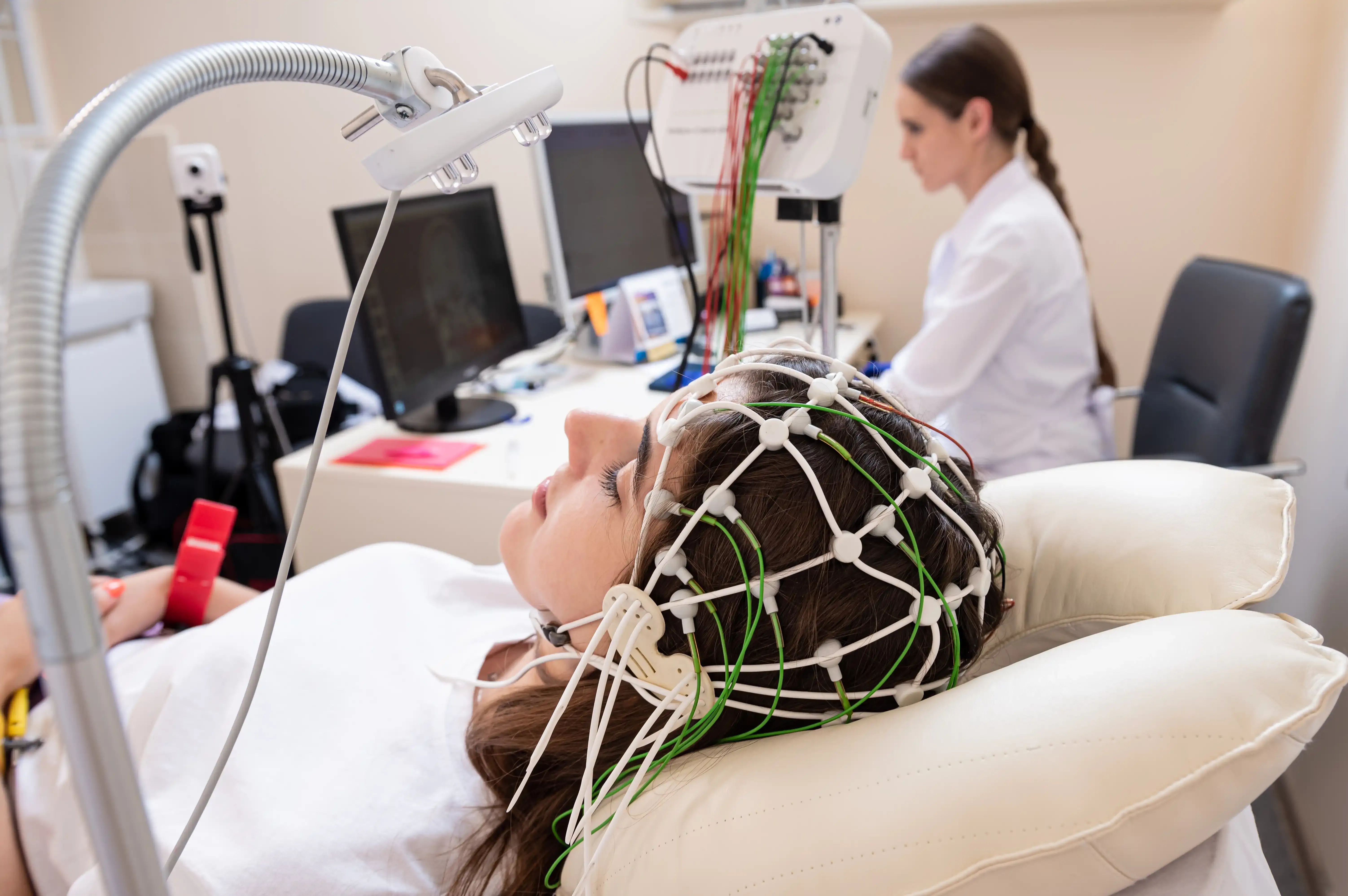
Neurofeedback therapy leverages neuroplasticity, which is the brain's ability to form new connections. During sessions:
- Sensors on the scalp detect electrical activity (EEG).
- A computer displays this as visual or auditory feedback (e.g., a game or video).
- Patients learn to produce desired brainwave patterns (e.g., increasing beta waves for focus, reducing theta waves associated with inattention).
Over 20 - 40 sessions, this operant conditioning reinforces healthier patterns. Standard protocols target theta/beta ratios or slow cortical potentials, common in ADHD.
Neurofeedback is a type of biofeedback. Biofeedback can also include training for heart rate or muscle tension. These methods can support brain-focused work.
Does Neurofeedback Work for ADHD? A Balanced Look at the Evidence
Research shows varied results:
- Some studies indicate that standard protocols are effective. They have medium to large effects on inattention and impulsivity, particularly in unblinded ratings.
- Blinded or sham-controlled trials often show no significant benefits compared to a placebo. This suggests that non-specific factors, such as attention and motivation, may play a role.
- Long-term follow-ups show that some people experience lasting improvements. However, results can vary widely. Factors influencing this include the type of protocol used, the number of sessions, and individual differences.
Neurofeedback is generally safe, noninvasive, and side-effect-free, making it appealing as an adjunct therapy. It is not a first-line treatment per major guidelines (e.g., AAP, NICE).
Biofeedback vs. Neurofeedback for ADHD
- Neurofeedback focuses specifically on brainwaves (EEG) to address cognitive symptoms like inattention.
- Biofeedback is a broader term that encompasses peripheral signals such as heart rate variability during stress. They are sometimes combined to provide holistic ADHD support.
- Both are drug-free and promote self-regulation.
Benefits and Considerations
Potential Benefits
- Some studies report improved attention and impulse control as a potential benefit.
- It can serve as a non-invasive alternative or complement to medication.
- The personalized protocols are based on QEEG brain mapping.
Considerations
- The high cost and time commitment associated with these protocols are often not covered by insurance.
- Variable results; not effective for everyone.
- Best outcomes in multimodal plans (e.g., with CBT, exercise, and nutrition).
Integrative Care at West Eastern Health Clinic in Florida
Clinics like West Eastern Health Clinic in Florida offer personalized neurofeedback programs integrated with holistic approaches. Many in Jacksonville and surrounding areas seek local options for evidence-informed, non-pharmacological ADHD support.
Consult qualified providers for evaluation - neurofeedback may complement traditional treatments.
Enhancing Neurofeedback with Lifestyle Strategies
Maximize potential benefits by:
- Maintaining consistency in sessions.
- Adopting supportive habits: balanced nutrition, regular exercise, quality sleep, and mindfulness.
- Combining with therapies like CBT for skill-building.
Conclusion: Is Neurofeedback Right for You?
Neurofeedback offers a promising, brain-training approach for ADHD symptoms, rooted in neuroplasticity. While some experience meaningful improvements, scientific consensus remains cautious due to mixed evidence.
For those in Florida exploring options, integrative clinics provide tailored assessments. Always discuss with a healthcare professional to determine if it fits your comprehensive ADHD management plan.
If you are searching for "neurofeedback therapy ADHD" or "biofeedback for ADHD" nearby Jacksonville, FL, prioritize evidence-based care. Personalized treatment is essential for achieving the best results.